Sealed unit replacement in London, from the surveyor’s side
Reglazing somebody else’s windows is a different job from fitting your own. The glass is the straightforward part. Money is lost in the survey, in the glazing method you did not expect, and in the second visit you did not price for.
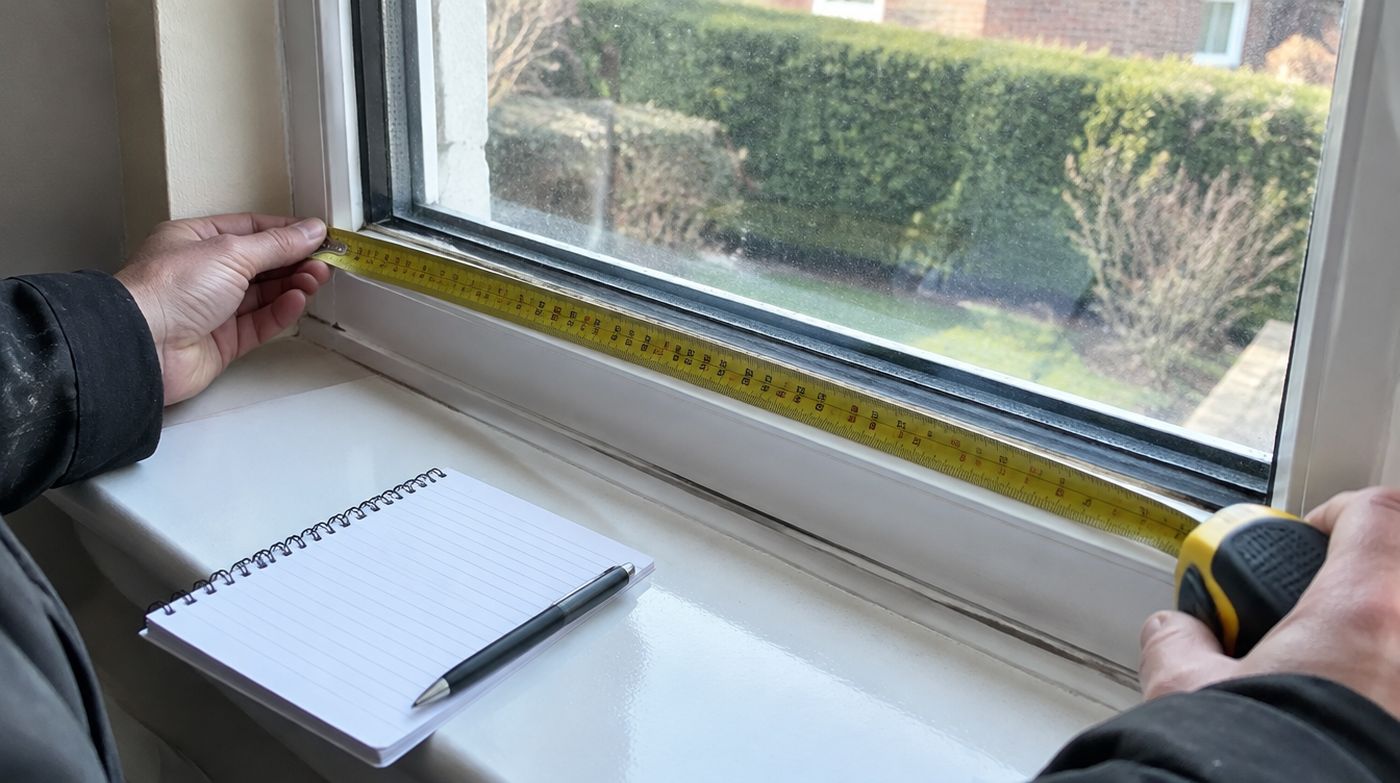
Why sealed unit replacement London jobs are a trade of their own
The sealed unit replacement London trade customers bring us is almost always work in frames nobody has seen before, made by companies that may no longer exist, in systems that went out of production twenty years ago. A borough like Brent or Ealing will give you 1980s aluminium with a thermal break, 1990s PVCu with external beading, 1930s timber casements somebody double glazed badly in 2004, and Crittall steel in a conservation area, often in the same street. None of those frames takes the same unit and none of them reglazes the same way.
The commercial risk is different from new work too. A sealed unit is made to measure and it is not returnable. If the size is wrong, there is no stock to swap it for and no resale value in the wrong one. A survey error on a replacement job is not a snag you tidy up later. It is a cash loss, plus a second trip, plus a customer watching you make it.
This page is about the survey and the sequencing. Margin and how to build a price are covered on the home page, so we will not go over that ground again. What follows is what to look at before you quote, and in what order.
Reading the existing unit before you give a price
Overall thickness, without taking the glass out
You need the overall unit thickness before anything else, because it governs whether you can offer the customer anything other than a like for like swap. There are three ways to get it and only one of them is reliable. A glass thickness gauge held to the pane gives you each leaf and the cavity if you are practised with it. Counting reflections with a small flame at an angle tells you how many panes there are, which at least rules triple glazing in or out. The reliable method is to take one bead off one window, measure the unit edge with a vernier or a steel rule, and measure the rebate depth and the glazing platform at the same time.
Do that on the worst window and the best window, not on the one nearest the front door. Houses that have been reglazed in stages carry two or three different unit thicknesses, and a schedule written from one sample window is a schedule with remakes built into it.
The glazing method decides your labour, not the glass
Two identical units can be a twenty minute job or a two hour job depending entirely on how the frame holds glass. Internally beaded PVCu is the easy case: hook the bead out with a chisel and a bit of hardboard to protect the frame, change the unit, bead it back. Externally beaded PVCu, common on pre-2000 systems, means working from outside, which at first floor means a ladder, a tower or a scaffold, and it means security clips you have to find and refit. The beads on a thirty year old external system are brittle and some will snap, so price in replacements and check the profile is still available before you promise a date.
Timber brings its own problems. Beads that have been painted over four times need the paint line cut before anything moves, and some of them will come off in pieces. If you find a sealed unit face puttied into a timber rebate, which happens on cheap 1990s upgrades, understand what you are looking at: linseed putty against an edge seal holds water against the one part of the unit that must stay dry, and the unit under it has usually failed for that reason. Reglaze it properly with a bedding compound, setting blocks and beads, or you will be back.
Aluminium systems use pressure plates and gaskets, or a wedge gasket you roll out and replace. The gasket is often the item with the lead time, not the glass. Steel windows hold glass with clips and a bedding compound, the rebates are shallow and uneven, and every pane is effectively bespoke. Survey a steel window as a one off every time and never from a drawing.
Packers, drainage and edge cover
A unit must sit on setting blocks, with clearance at the sides and the head, so the glass never bears directly on the frame. It must also have a drainage path behind it so that water getting past the gasket can leave. Edge cover has to bury the edge seal so ultraviolet light cannot reach it, without blocking that drainage. If you open up a failed unit and find it sitting flat on the frame in a puddle, the glass is not what failed first. We have written elsewhere about what standing water does to an edge seal, so take it as read: reglaze that opening the same way and your unit fails on the same schedule as the last one, and it will be your name on it.
The size you order is not the size you measured
Measure the sight size, work out the deduction for the system you are in, and order a tight size. How much to deduct depends on the gasket, the rebate and how much clearance the system expects, which is why the only honest answer to how much to take off is that it depends on the window in front of you. Six millimetres off each dimension is a common working figure on PVCu, and it is a starting point, not a rule.
The discipline that saves the most money on a multi unit job is boring and almost nobody does it. Order one unit, fit it, then order the other twenty three. One day of waiting buys you certainty on the deduction, the thickness, the bead and the handing. Twenty three units made to a deduction you guessed is a bet, and if you lose it you lose it twenty three times. Anybody doing sealed unit replacement London wide on multi unit schedules learns this the expensive way or the cheap way.
Customer supplied sizes on a replacement job
Sometimes a builder or a landlord will hand you a list and ask you to make to it, to avoid paying for a survey. The answer is yes, with conditions. Get the list back to them in writing with the sizes as you have read them, state that they are tight sizes, state which dimension you have taken as the width, and ask them to confirm it. Where responsibility sits when a supplied size is wrong is set out plainly in our terms, so there is no argument to have later. What you should not do is swallow the survey for free and then carry the remake as well. Price the survey, or price the risk. Do not do both for nothing.
Sequencing a reglaze so you only open the house twice
On a multi unit job the aim is one survey visit and one fitting day, and everything in the middle is logistics. Survey the whole property in one go, including the windows the customer has not complained about yet, and write the schedule in one batch. Flag anything with a long lead in that schedule immediately: obscure patterns, leaded panels, Georgian bars, shaped heads, acoustic laminate. Plain toughened glass is a batch process and moves fast. An obscure pattern that has to be matched is the item that decides your fitting date.
Take the whole order in one delivery to your own yard if you can, not to site, unless the property has somewhere dry and secure to store glass vertically. A stack of units leaning in a hallway for a fortnight is damage waiting to be argued about. Do not begin a fourteen unit reglaze with twelve units on the van, because the two you are short will pull you back for a half day you cannot charge for. And carry boarding material, because the one opening that goes wrong needs to be weathertight before you leave.
What to tell the customer before you take their money
Two things are worth saying out loud on survey, even though neither helps you sell glass. The first is that a misted unit is not an emergency. It is an appearance problem and a modest performance problem, and there is nothing unsafe about living with it until the customer is ready. If somebody is being pushed to replace eight units this month, they are being sold to, not advised.
The second is harder. If the frames are the real problem, say so before you reglaze them. Rotten bottom rails, dropped sashes, perished gaskets, blocked drainage, hinges pulling out of unreinforced PVCu: new glass in any of those is money spent on a window that is already finished. We would rather lose the glass order than fit units into a frame we have told the customer is beyond saving, because the call we get in eighteen months is the same call either way.
If you have reached this page as a homeowner with one misted window, this is a trade supply site and you are better served elsewhere. We run a separate site for single unit replacement to homeowners, with survey and fitting included, and the price and the process are both different. For trade schedules, send the list to the workshop at 6 Atlas Road, Wembley HA9 0JH, or ring 020 4634 6045 between 8am and 5pm.
FAQ
Questions about sealed unit replacement london
How do I find the thickness of an existing sealed unit?
The reliable method is to remove one glazing bead and measure the edge of the unit directly with a vernier or steel rule, taking the rebate depth and glazing platform at the same time. A glass thickness gauge will read the panes and cavity through the glass if you are used to one. Counting the reflections of a small flame held at an angle tells you how many panes there are, which separates double from triple but will not give you a cavity. On any property that has been reglazed in stages, measure at least two windows, because mixed thicknesses in one house are common.
Can a sealed unit be replaced without removing the window frame?
Yes, and that is the point of the job. The unit is held in by beads and gaskets, so it comes out and a new one goes in while the frame stays exactly where it is. The exceptions are frames where the glass is structurally bonded to the sash, some external glazing systems with security clips that are no longer available, and steel windows where panes are bedded in compound and each opening has to be treated individually. In every one of those cases the frame still stays put, the labour simply goes up.
How many sealed units can one team replace in a day?
It depends almost entirely on the glazing method and the access, not on the glass. A ground floor internally beaded PVCu window with sound beads is a quick change for two people once the unit is on site. The same unit in an externally beaded frame at first floor needs a tower or a scaffold, security clips refitting and brittle beads replacing, and takes several times as long. Painted timber beads, putty glazed openings and steel windows are slower again. Survey the glazing method on every elevation before you commit to a programme.
Send your cutting list
One line per unit with sizes, build and spacer colour. We quote the same working day and confirm the lead time with the price.